Our Story
We Started With One Garden
and a Belief: The Soil Heals.
What began as one veteran's personal discovery has become a mission to bring therapeutic gardens to warriors across the American South.
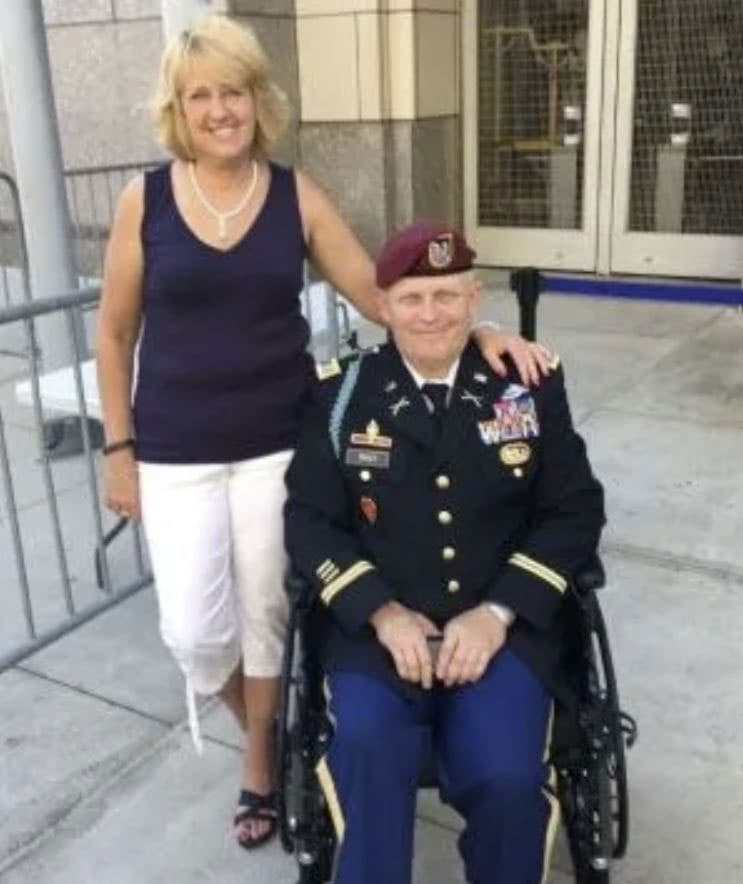
I exchanged blood on my hands for soil on my hands.
Mike Trost
The Founders
From Walter Reed
to the Garden
Mike Trost served 32 years in the United States Army. On his last deployment to Afghanistan, he was shot five times with a machine gun. What followed was a long road through Walter Reed National Military Medical Center. 35 surgeries, including a below-the-knee amputation, and the invisible wounds that no operation can fix.
Back home in Tennessee, Mike started growing Cascade hops on their small farm. He wasn't trying to start a movement. He was just trying to survive. But something shifted. The daily rhythm of planting, watering, watching things grow. It interrupted the cycle. It gave his hands something to do besides shake.
Stephanie, a retired banker and veteran caregiver who had walked every step of Mike's recovery, saw the transformation firsthand. Together, they asked a simple question: What if other veterans could find this same healing?
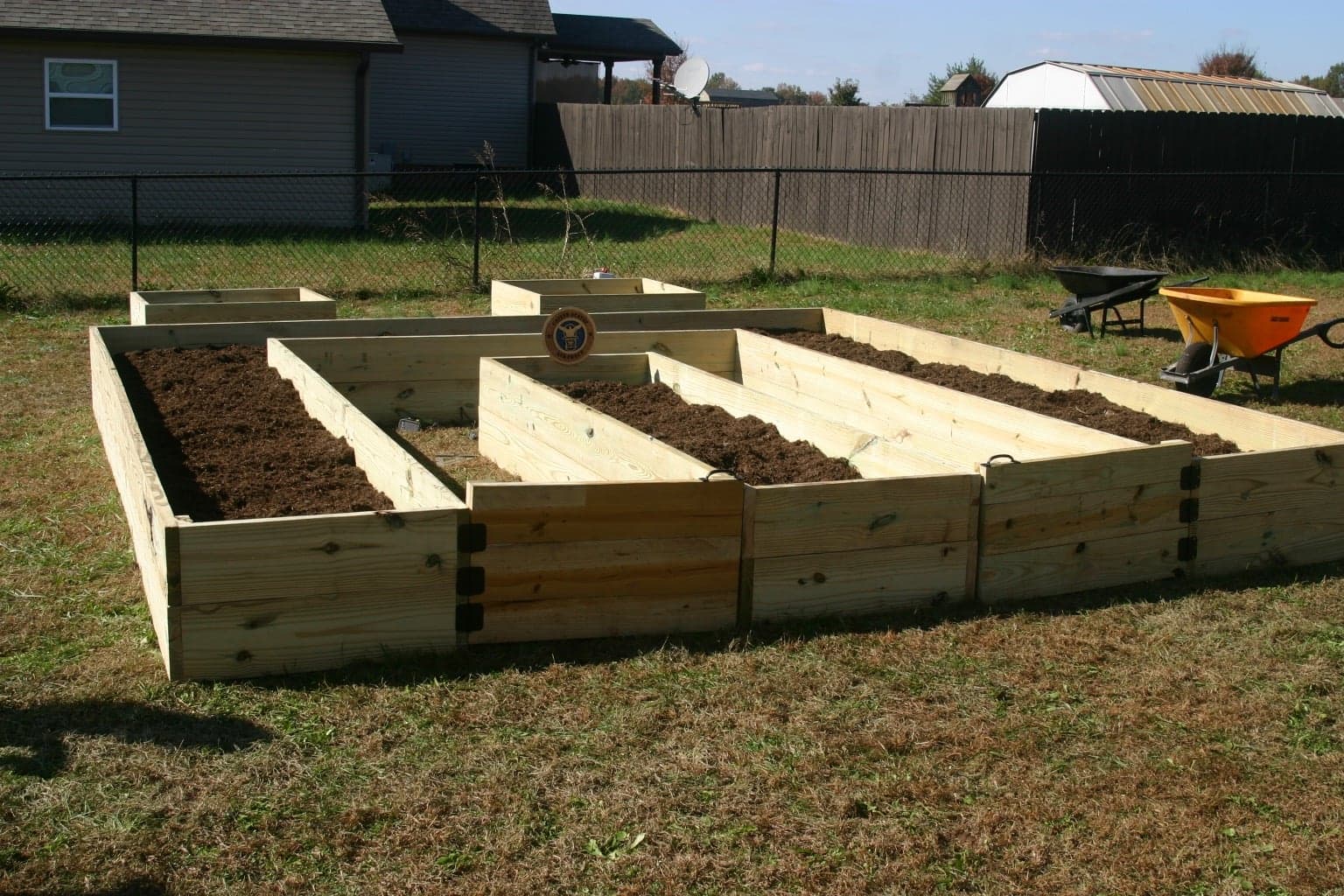
In 2020, they founded Frontline Gardens, a 501(c)(3) nonprofit dedicated to building custom therapeutic raised-bed gardens for veterans and first responders living with PTSD.
Why Gardening Works
Four Dimensions of Healing
Our programs address the whole person, not just the diagnosis. Every garden is designed to support healing across four interconnected dimensions.
Physical
Building and tending a garden engages the whole body: digging, lifting, planting, watering. For veterans recovering from injuries and surgeries, this gentle physical work rebuilds strength and mobility at their own pace.
Emotional
Nurturing a living thing creates a sense of purpose and responsibility. Watching seeds grow into food or flowers provides tangible evidence that good things still come from effort, a powerful counter to the hopelessness PTSD brings.
Mental
Gardening demands attention to the present: soil moisture, sunlight, timing. This natural mindfulness interrupts the hypervigilance and intrusive thoughts that define PTSD, creating space where the mind can rest.
Spiritual
There is something sacred about putting a seed in the earth and trusting it to grow. For many veterans, the garden becomes a place of quiet reflection and reconnection with something larger than their pain.
The Approach
Unlocking the Block
PTSD is not a one-size-fits-all condition, and healing can't be either. Some veterans respond well to traditional therapy. Others hit a wall. The clinical term is treatment-resistant, but Frontline Gardens sees it differently. Sometimes the block isn't about the veteran. It's about the tools.
That's why every Frontline Gardens program is built in direct collaboration with each veteran's existing therapist. This isn't a replacement for clinical care. It's a complement. The garden becomes a therapeutic tool that their counselor can integrate into an established treatment plan.
Each program is completely customized. The garden design, the plant selection, the build-day experience, the ongoing support. All of it is shaped by the specific needs and goals identified by the veteran and their therapist together.
The results speak for themselves. When a veteran who hasn't left the house in months kneels in the dirt and plants a tomato, something shifts. When they come back the next day to check on it, something opens. The garden doesn't judge. The garden just grows.
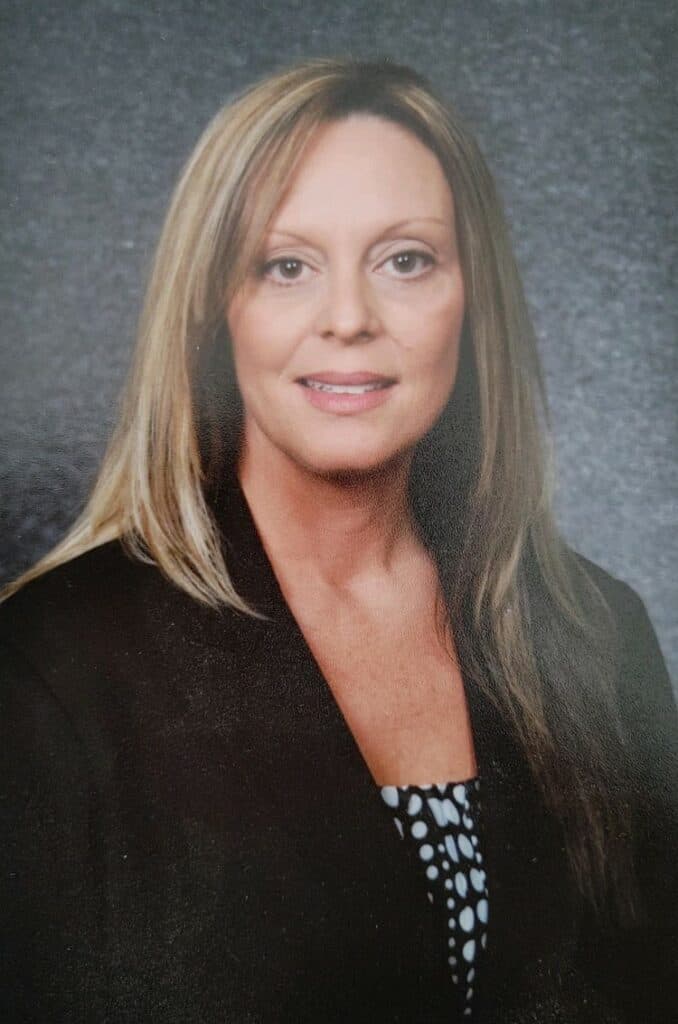
Trauma does not care who you are. Trauma will move in and stay with you for a lifetime if unaddressed.
Stephanie Trost
Co-Founder, Frontline Gardens
By adding an alternative form of therapy to their current program, this can sometimes ‘unlock the block.’
Stephanie Trost
On integrating gardens into therapy
Our Impact
Growth by the Numbers
Veterans Served
Volunteers
Volunteer Hours
Total Estimated Value
The Team
The People Behind the Mission
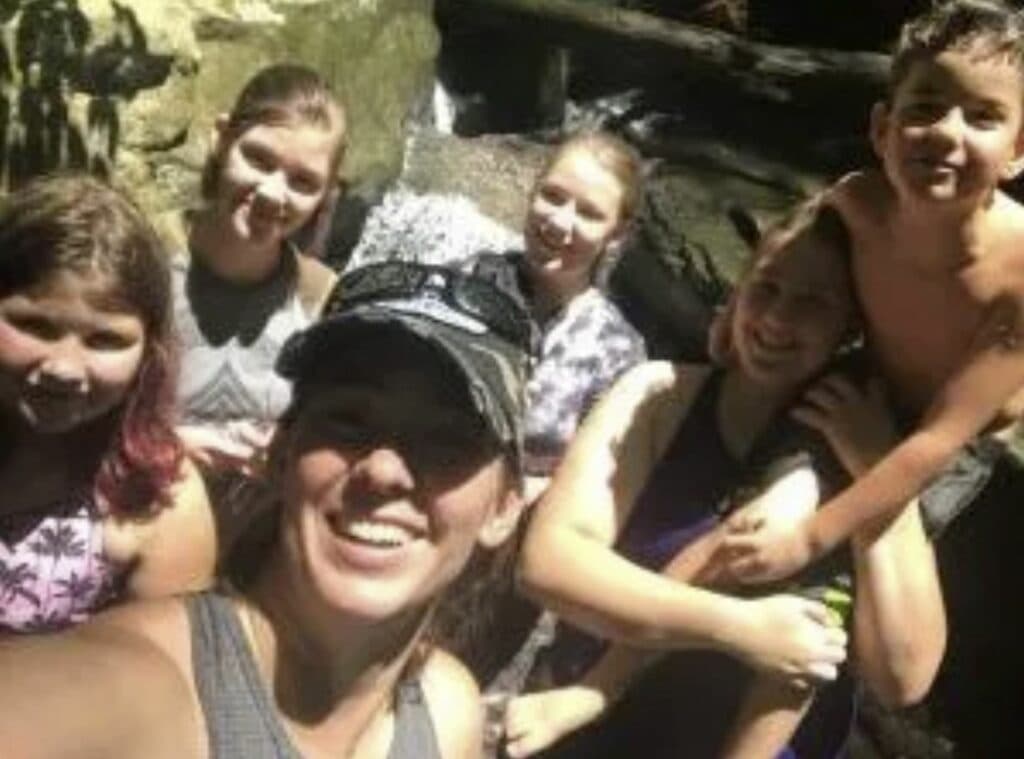
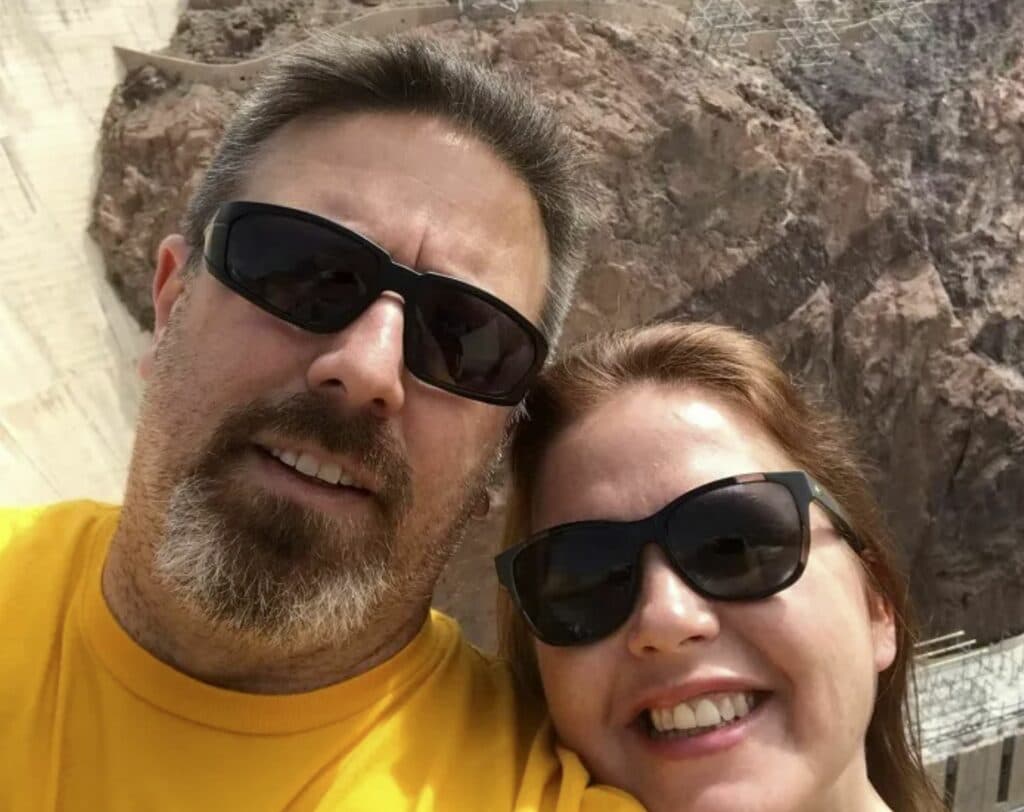
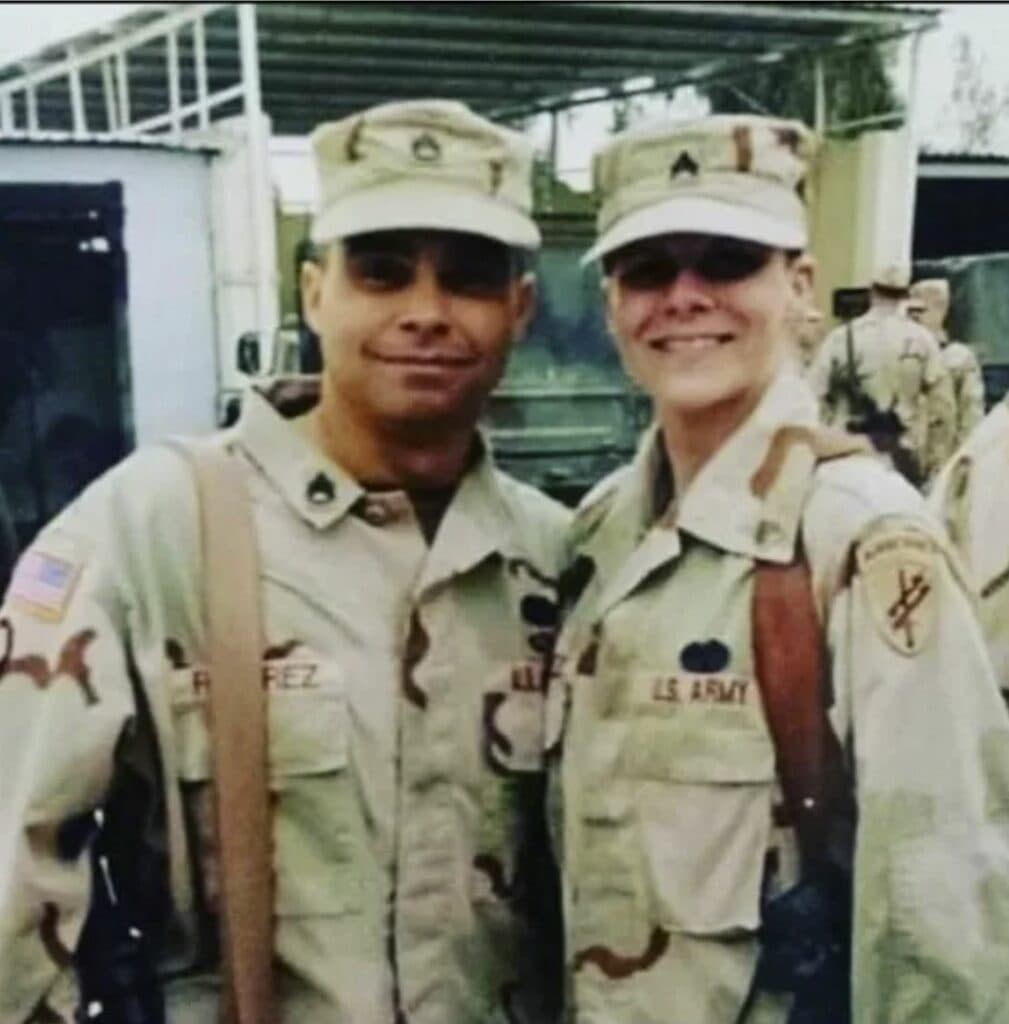
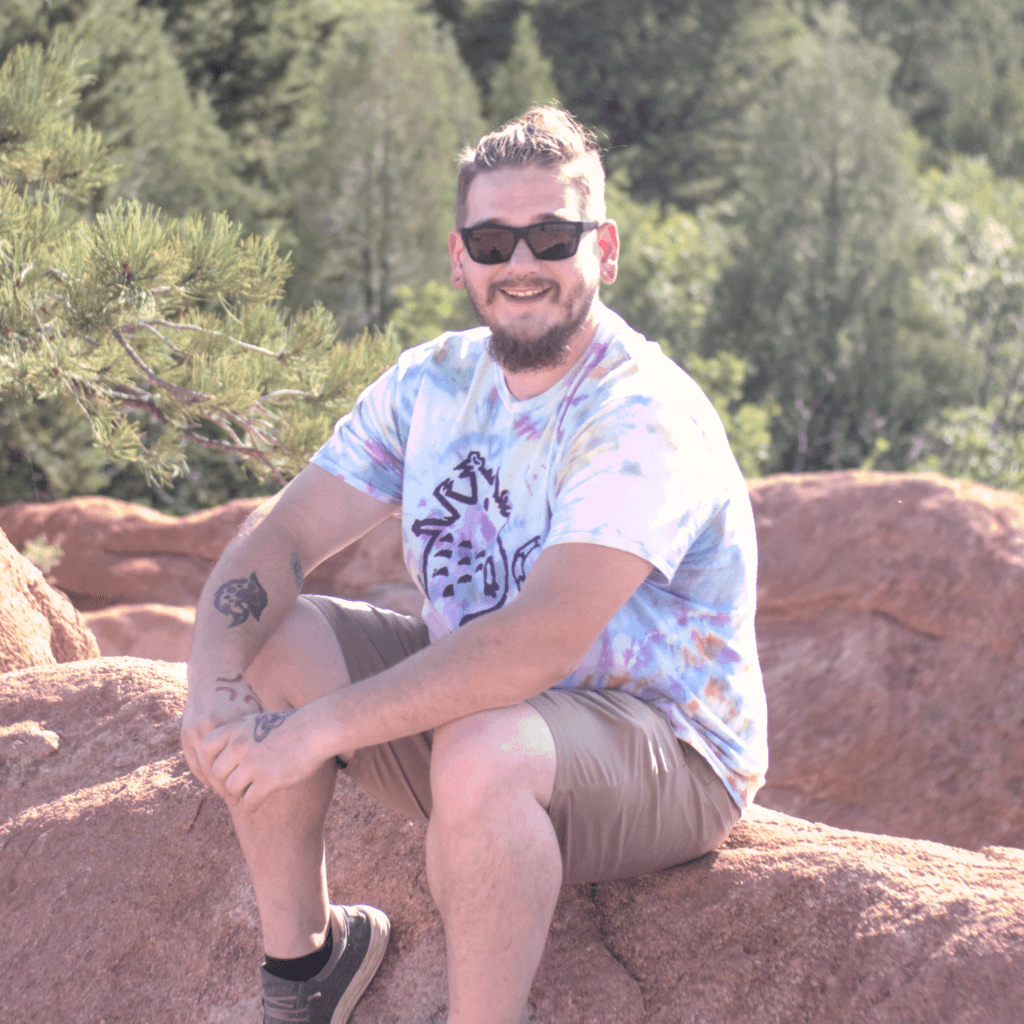
Veterans, caregivers, community leaders, and advocates who volunteer their time to put gardens in the ground and healing in motion.
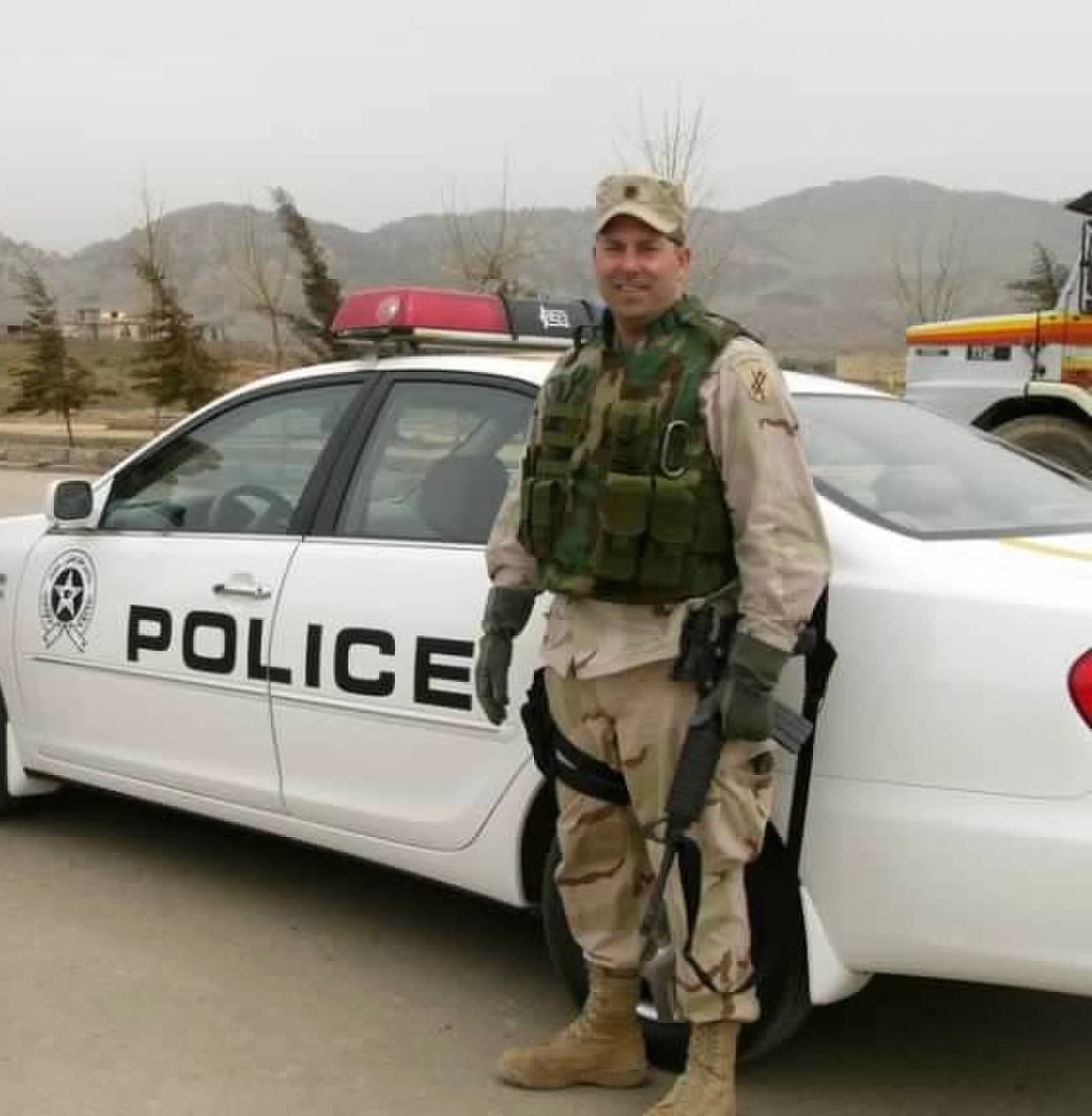
Tim Kalkus
President
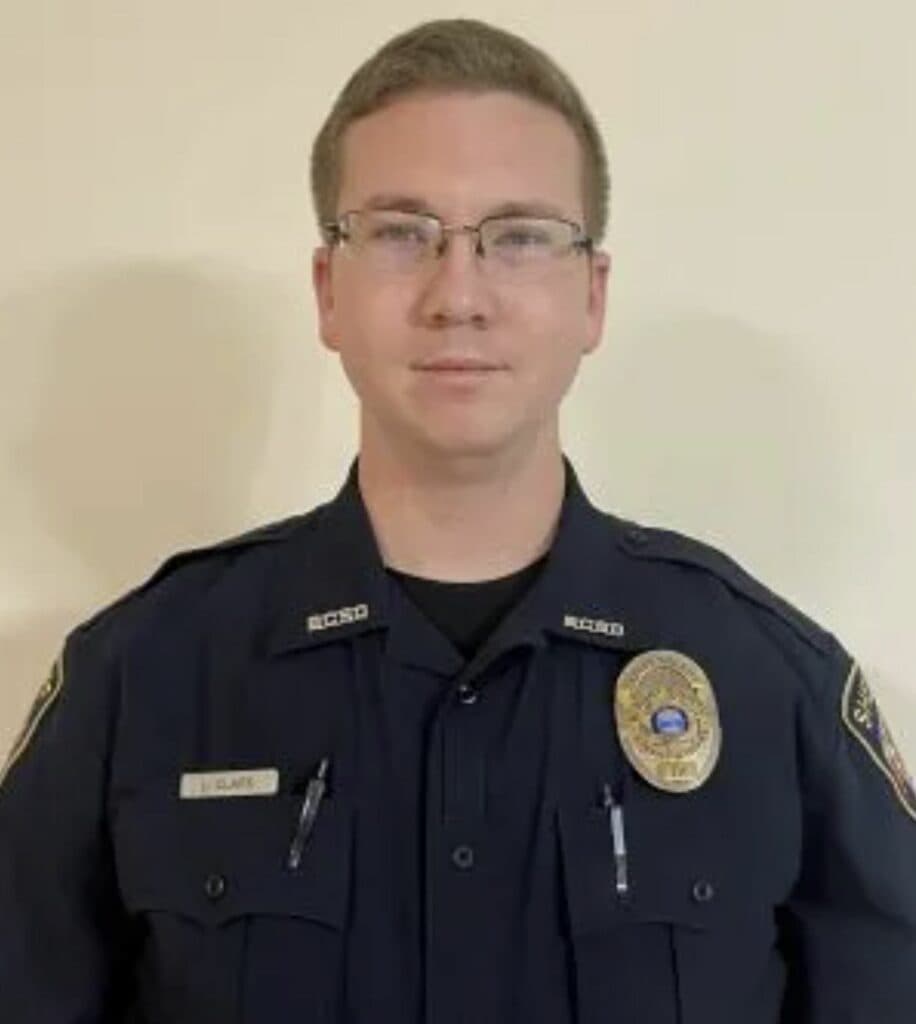

Chaz Ivy
Director (Eastern NC)


Partners & Supporters
Growing Together
We're grateful for the organizations that make this work possible through donations, materials, and volunteer support.








Help Us Grow
the Sanctuary
Every garden we build gives a veteran a reason to step outside, kneel in the dirt, and begin again. Your support, whether money, time, or materials, puts healing in the ground.
Frontline Gardens is a 501(c)(3) nonprofit. All donations are tax-deductible.